
What are prebiotics?

Prebiotics are substrates that are selectively utilised by host microorganisms conferring a health benefit
(The International Scientific Association for Probiotics and Prebiotics (ISAPP) consensus statement 2016).1
According to the 2016 updated definition, prebiotics may:
- Include non-carbohydrate substances (eg. polyphenols and polyunsaturated fatty acids);
- Invoke changes to any host microbial ecosystem and is not limited to the gastrointestinal microbiota;
- Be administered directly to microbially colonised body sites (ie. Not limited to oral administration); and
- Target beyond stimulation of Bifidobacteria and Lactobacilli.
For an ingredient to be classified as a prebiotic, it requires demonstration of all the following:
- Non-digested by the host but utilized by the microbiota;
- Selective utilisation by live host microorganisms in a manner that sustains, improves or restores host health; and
- Demonstrate health benefits in well-controlled studies in the target host.
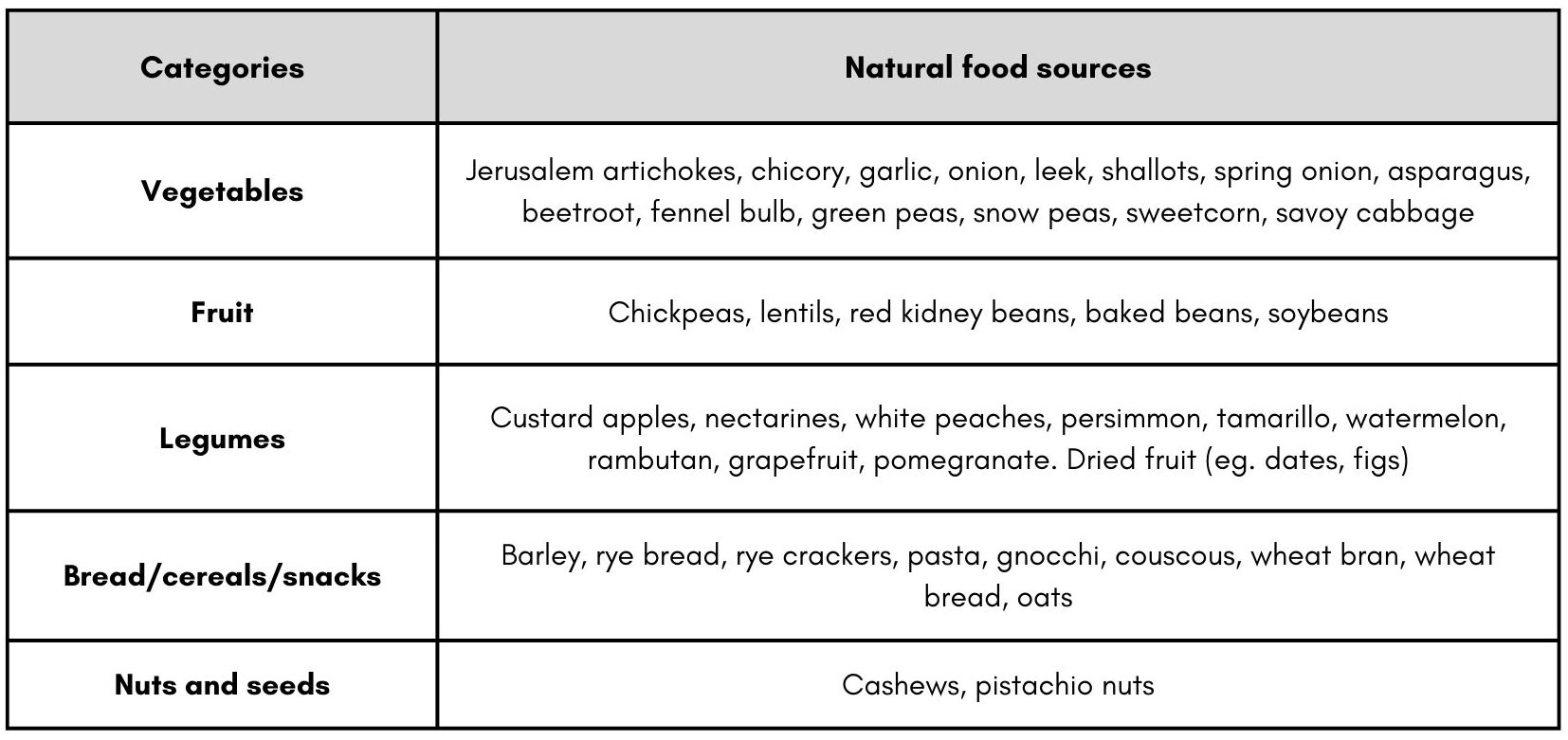
Adapted from Monash University2
Prebiotics were previously thought to only include carbohydrate substrates. However, the definition allows the inclusion of non-carbohydrate substances, such as polyphenols and polyunsaturated fatty acids, given convincing weight of evidence in the target host is available.
Prebiotics have the potential to improve health and reduce risk of diseases mediated by microbiotia aberrations. There is a capacity for prebiotics to be used therapeutically in the management and prevention of disease and to promote health. However, the use of prebiotics cannot be viewed in isolation to improve health and will be part of a wider approach for healthy nutrition and lifestyle.
Gibson GR et al. Expert consensus document: The International Scientific Association for Probiotics and Prebiotics (ISAPP) consensus statement on the definition and scope of prebiotics. Nat Rev Gastroenterol Hepatol. 2017 Aug; 14(8): 491-502.
Prebiotic diet – FAQs. Department of Gastroenterology, Monash University.