
Yakult – Fermented Milk and Probiotic
Fermented foods have been defined by the International Scientific Association for Probiotics and Prebiotics (ISAPP) as “foods made through desired microbial growth and enzymatic conversions of food components”.1 While the strict biochemical definition of fermentation refers to metabolism in the absence of oxygen, in food, fermentation simply means using microbes to transform raw ingredients, sometimes with oxygen, sometimes without, into foods with new flavours, textures, and extended shelf life.2 The process typically generates alcohol and organic acids, which increase acidity and protect against spoilage.
A 10,000-Year Tradition
Fermentation has been part of the human diet for nearly 10,000 years. Cultures worldwide used it both to preserve food and enhance flavour. For example, cheese and cultured milk were staples in Europe, the Middle East, and India, while East Asia relied more on rice, soy, grains, fish, and vegetables. African traditions often centred on local cereals like millet, sorghum, and maize.3 This global diversity shaped many of the fermented foods we enjoy today.
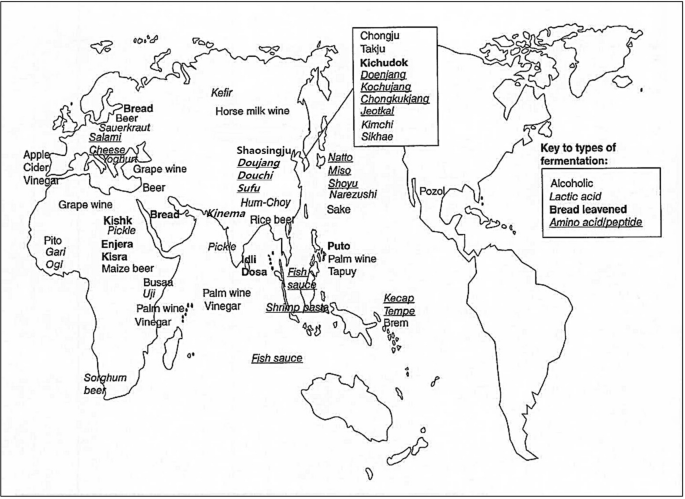
Fermentation occurs through the controlled activity of microorganisms on food substrates. In some cases, this process occurs spontaneously, driven by microorganisms naturally present in raw materials. Traditional examples of spontaneous fermentation include sauerkraut, sourdough bread, and kimchi. Figure 1 presents a map of traditional fermented foods globally.4
Acid-fermented foods
Among the oldest fermentation methods is lactic acid fermentation.5 The primary microorganisms involved in acid-fermented foods are lactic acid bacteria, classified into four main genera: Streptococcus, Pediococcus, Lactobacillus, and Leuconostoc. Additionally, Bifidobacterium, a member of the order Actinomycetales, plays an important role in the production of dairy products. This fermentation process is widely used to produce acid-fermented foods such as sauerkraut, kimchi, and sourdough bread, as well as cultured milk products made with specific bacterial starter cultures. Originating in the Near East and later spreading to parts of Southern and Eastern Europe,4 cultured milk products now represent a diverse and globally available food category.
In this blog, we examine the role of fermented foods in supporting gut health, clarify their probiotic potential, discuss considerations for specific populations, and offer evidence-based strategies for incorporating them into the diet (see Figure 2).
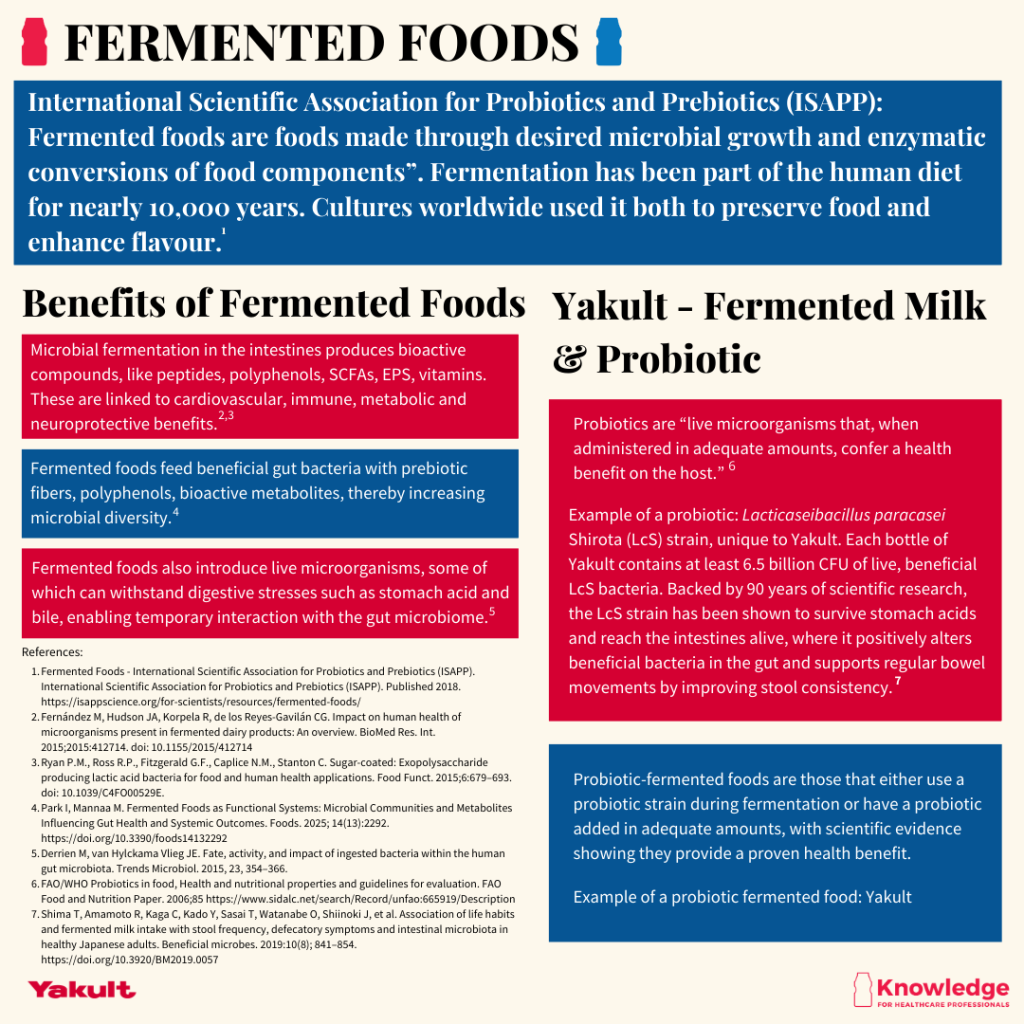
Figure 2. A summary of key points written in this blog article.
Benefits of fermented foods
Since the early 1900s, fermented foods have been linked to potential health benefits, which may arise from three main mechanisms:5
- Production of beneficial compounds
- Providing nutrients that support gut microbes
- Introducing live microbes that survive digestion
- Production of beneficial compounds
Microbial fermentation in the intestine produces bioactive compounds such as peptides, polyphenols, organic acids, short-chain fatty acids (SCFAs), exopolysaccharides (EPS), and vitamins.6 These have been associated with cardiovascular, immune, metabolic, and even neuroprotective benefits.
- Some fermented dairy can provide vitamins B7, B11 (folate), and B12, essential for growth, metabolism, and cardiovascular health.7
- Certain microbes (e.g., Leuconostoc, Pediococcus, Streptococcus) produce exopolysaccharides, some of which modulate immunity and may lower cholesterol.8
- Support growth of beneficial gut microbes
Fermented foods provide nutrients that help indigenous gut bacteria—benificial microbes naturally established in the gastrointestinal tract—thrive. During fermentation, compounds such as prebiotic fibers (e.g., inulin, fructooligosaccharides), polyphenols, and bioactive metabolites are generated, serving as substrates for Bifidobacterium and Lactobacillus, and other beneficial bacteria in the gut.9 These nutrients promote microbial diversity and support the production of health-promoting metabolites.
Research highlights:
- In a study of 7,000 participants, fermented plant consumers had significantly different gut diversity, enriched in Bacteroides, Prevotella, Faecalibacterium prausnitzii, and Clostridiales.10
- Cha-Koji (green tea fermented with Aspergillus luchuensis) increased butyrate-producing bacteria in both human and mouse samples.11
- Fermented plant extract (fermented beverage made from several fruits, vegetables, herbs and prebiotics) increased beneficial bifidobacteria and lactobacilli while reducing E. coli and Clostridium perfringens.12
- Fermented milk with Lacticaseibacillus paracasei Shirota (LcS) strain positively alter and increase the number of beneficial bacteria in the intestines.13-16
- Survival and transient colonisation of microbes
Fermented foods also introduce live microorganisms, some of which can withstand digestive stresses such as stomach acid and bile, enabling temporary interaction with the gut microbiome.17 While most microbes do not establish permanent residence, they can influence gut composition and metabolism, contributing to SCFA and EPS production and supporting gastrointestinal and systemic health.17
It’s also essential to note that not all fermented foods contain live bacteria. Some are pasteurised or heat-treated during processing, which kills the beneficial microbes. Examples include coffee and chocolate beans (after roasting), shelf-stable sauerkraut, canned pickles, pasteurised kombucha, sourdough bread.
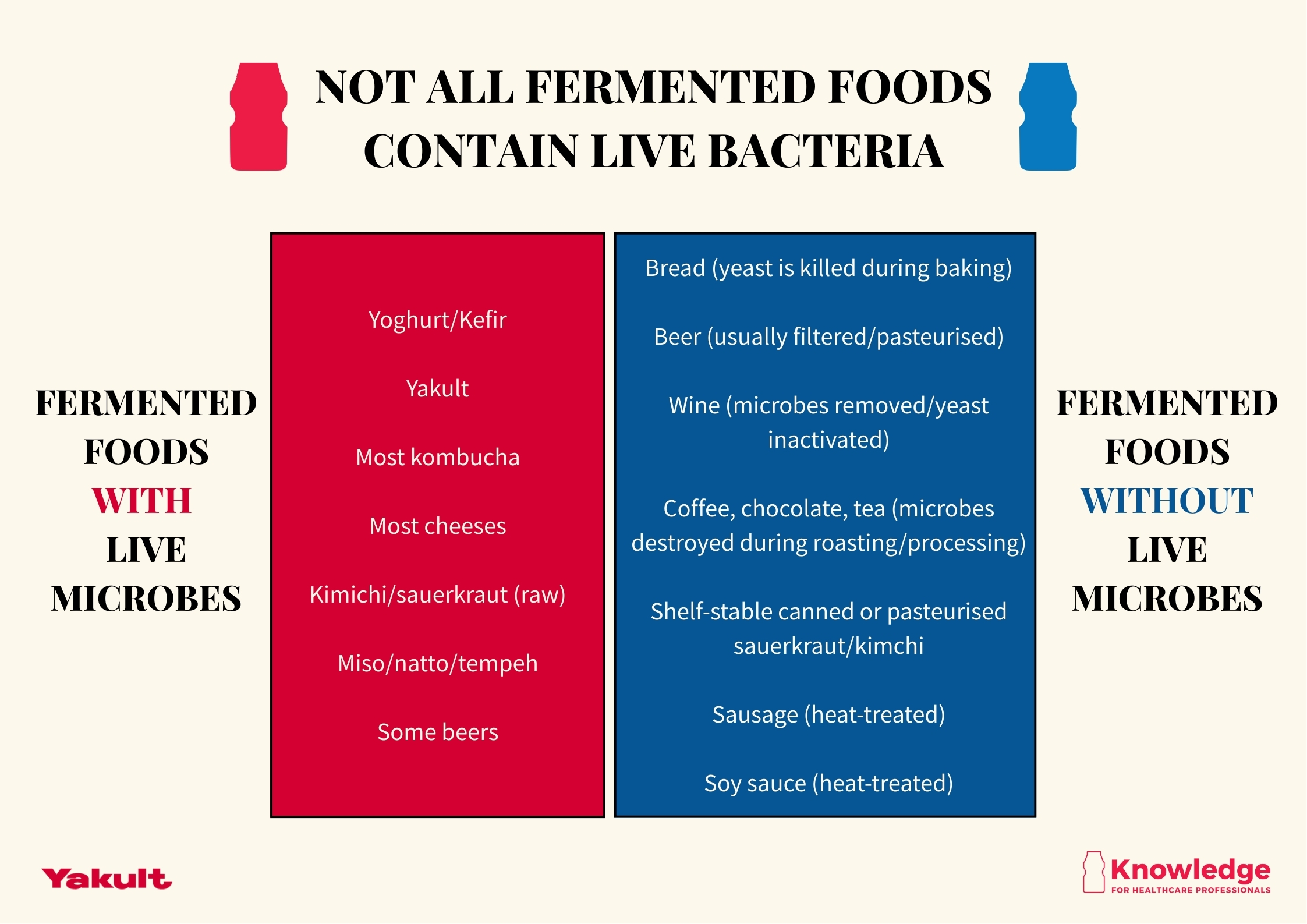
Figure 3. Not all fermented foods contain live bacteria.
Are fermented foods probiotics?
Fermented foods and probiotics are often mentioned together, but they are not the same. By contrast, the WHO/FAO define probiotics as “live microorganisms that, when administered in adequate amounts, confer a health benefit on the host.”18 To qualify, a probiotic must be strain-specific, alive at effective levels, and backed by scientific evidence of benefit.19
Foods can be fermented using a probiotic microbe, or have a probiotic microbe added in adequate amounts to provide a health benefit. For example, Yakult is a fermented milk drink that contains a high concentration (at least 6.5 billion) of the beneficial bacteria Lacticaseibacillus paracasei Shirota (LcS) strain. It is the only product in the world that contains this unique probiotic bacteria. Over 90 years of research and clinical trials, the LcS strain is proven to 1) survive through the gut to reach the intestines alive, 2) positively alter and increase the number of beneficial bacteria in the intestines, and 3) encourage regular bowel movements through improving stool consistency.
👉 For practical guidance on how to choose the right probiotic, see our Gut Health Guide.
Practical ways to recommend incorporating Yakult into your clients’ diets:
As a health professional, you can suggest practical ways for clients to include Yakult in their daily routine. For example, they might enjoy a bottle with breakfast or blended into cereal or smoothies to start the day. It can also be recommended as a convenient mid-morning or afternoon snack, or carried in a lunch bag with an ice pack for school, work, or travel. For active individuals, you can encourage mixing it into protein shakes post-workout as a tasty, probiotic-rich option.
Take home messages:
- Fermented foods contribute nutritional value, bioactive compounds, and microbial substrates that support gut health.
- Fermented foods may or may not contain live microbes at consumption (e.g., due to pasteurisation, storage, or processing).
- Fermented foods and probiotics are related but not interchangeable; Probiotics are strain-specific, clinically validated, and effective only when delivered in adequate amounts.
- Certain populations should approach traditional, raw, or unpasteurised fermented foods with caution, including immunocompromised individuals, pregnant individuals, those with histamine intolerance, IBS, or SIBO. It’s recommended to consult a healthcare professional before consumption.
References:
- Fermented Foods – International Scientific Association for Probiotics and Prebiotics (ISAPP). International Scientific Association for Probiotics and Prebiotics (ISAPP). Published 2018. https://isappscience.org/for-scientists/resources/fermented-foods/
- Chilton SN, Burton JP, Reid G. Inclusion of fermented foods in food guides around the world. Nutrients. 2015;7:390–404. doi: 10.3390/nu7010390.
- Siddiqui SA, Erol Z, Rugji J, Taşçı F, Kahraman HA, Toppi V, Musa L, et al. An overview of fermentation in the food industry – looking back from a new perspective. Bioresour Bioprocess. 2023 Nov 28;10(1):85. doi: 10.1186/s40643-023-00702-y.
- Lee CH, Ahn J, Son HS. Ethnic fermented foods of the world: an overview. J. Ethn. Food 11, 39 (2024). https://doi.org/10.1186/s42779-024-00254-2
- Sawant SS, Park H-Y, Sim E-Y, Kim H-S, Choi H-S. Microbial Fermentation in Food: Impact on Functional Properties and Nutritional Enhancement—A Review of Recent Developments. Fermentation. 2025; 11(1):15. https://doi.org/10.3390/fermentation11010015
- Fernández M, Hudson JA, Korpela R, de los Reyes-Gavilán CG. Impact on human health of microorganisms present in fermented dairy products: An overview. BioMed Res. Int. 2015;2015:412714. doi: 10.1155/2015/412714
- Stanton C, Ross RP, Fitzgerald GF, Van Sinderen D. Fermented functional foods based on probiotics and their biogenic metabolites. Curr. Opin. Biotechnol. 2005;16:198–203. doi: 10.1016/j.copbio.2005.02.008
- Ryan P.M., Ross R.P., Fitzgerald G.F., Caplice N.M., Stanton C. Sugar-coated: Exopolysaccharide producing lactic acid bacteria for food and human health applications. Food Funct. 2015;6:679–693. doi: 10.1039/C4FO00529E.
- Park I, Mannaa M. Fermented Foods as Functional Systems: Microbial Communities and Metabolites Influencing Gut Health and Systemic Outcomes. Foods. 2025; 14(13):2292. https://doi.org/10.3390/foods14132292
- Taylor BC., Lejzerowicz F, Poirel M, Shaffer JP, Jiang L, Aksenov A, et al. Consumption of fermented foods is associated with systematic differences in the gut microbiome and metabolome. mSystems. 2020;5:901–920. doi: 10.1128/mSystems.00901-19.
- Yamamoto B, Suzuki Y, Yonezu T, Mizushima N, Watanabe N, Sato T, et al. Cha-Koji, comprising green tea leaves fermented with Aspergillus luchuensis var kawachii kitahara, increases regulatory T cell production in mice and humans. Biosci. Biotechnol. Biochem. 2018;82:885–892. doi: 10.1080/09168451.2018.1443789.
- Chiu HF, Chen YJ, Lu YY, Han YC, Shen YC, Venkatakrishnan K, Wang CK. Regulatory efficacy of fermented plant extract on the intestinal microflora and lipid profile in mildly hypercholesterolemic individuals. J. Food Drug. Anal. 2017;25:819–827. doi: 10.1016/j.jfda.2016.10.008.
- Shima T, Amamoto R, Kaga C, Kado Y, Sasai T, Watanabe O, Shiinoki J, et al. Association of life habits and fermented milk intake with stool frequency, defecatory symptoms and intestinal microbiota in healthy Japanese adults. Beneficial microbes. 2019:10(8); 841–854. https://doi.org/10.3920/BM2019.0057
- Utami T, Cahyanto M, Juffrie M, Rahayu E. Recovery of lactobacillus casei strain shirota (LcS) from the intestine of healthy Indonesian volunteers after intake of fermented milk and its impact on the enterobacteriaceae faecal microbiota. International Journal of Probiotics and Prebiotics. 2015:10. 77-84. https://www.researchgate.net/publication/284724855_Recovery_of_lactobacillus_casei_strain_shirota_LCS_from_the_intestine_of_healthy_Indonesian_volunteers_after_intake_of_fermented_milk_and_its_impact_on_the_enterobacteriaceae_faecal_microbiota
- Wang C, Nagata S, Asahara T, Yuki N, Matsuda K, Tsuji H, et al. Intestinal microbiota profiles of healthy pre-school and school-age children and effects of probiotic supplementation. Annals of Nutrition and Metabolism. 2015: 67: 257-266. https://doi.org/10.1159/000441066
- Nagata S, Asahara T, Ohta T, Yamada T, Kondo S, Bian L, et al. Effect of the continuous intake of probiotic-fermented milk containing Lactobacillus casei strain Shirota on fever in a mass outbreak of norovirus gastroenteritis and the faecal microflora in a health service facility for the aged. British Journal of Nutrition. 2011: 106: 549-556. https://doi.org/10.1017/S000711451100064X
- Derrien M, van Hylckama Vlieg JE. Fate, activity, and impact of ingested bacteria within the human gut microbiota. Trends Microbiol. 2015, 23, 354–366.
- FAO/WHO Probiotics in food, Health and nutritional properties and guidelines for evaluation. FAO Food and Nutrition Paper. 2006;85 https://www.sidalc.net/search/Record/unfao:665919/Description
- Marco ML, Sanders ME, Gänzle M, Arrieta MC, Cotter PD, De Vuyst L, et al. The International Scientific Association for Probiotics and Prebiotics (ISAPP) consensus statement on fermented foods. Nat. Rev. Gastroenterol. Hepatol. 2021;18:196–208. doi: 10.1038/s41575-020-00390-5.